
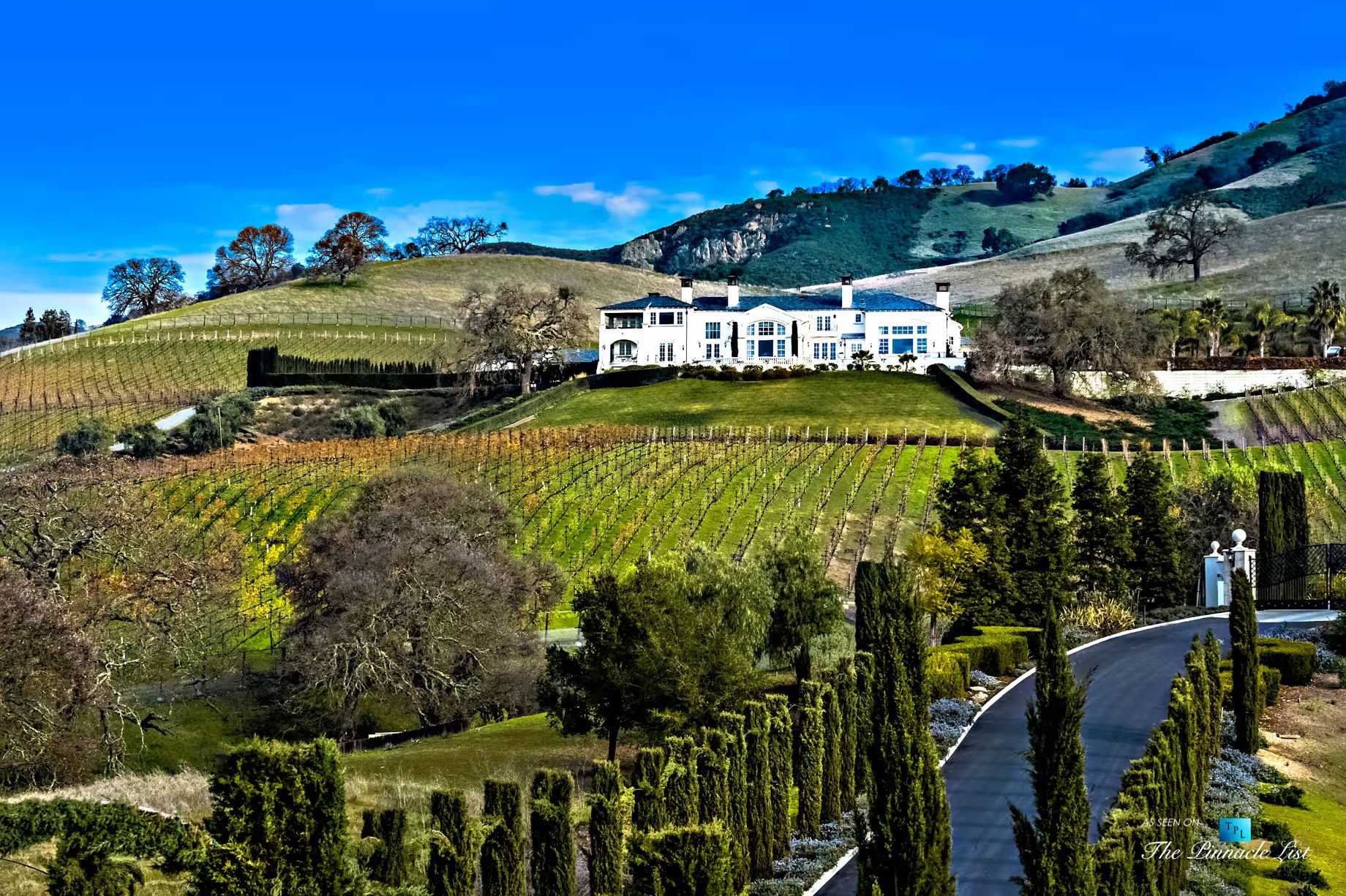
- Population Overview
- Total population: Approximately 14,100 to 14,300 residents.
- Population growth trends: Slight decline with an annual decrease rate near -1.1% according to some projections, though other sources note only a very mild current decline around -0.13% annually. Population has fluctuated slightly but remains close to 14,000.
- Population density: About 1,410 to 1,420 people per square mile (around 545 people per km²).
- Age Distribution
- Age groups (approximate):
-
- 0–14 years: Around 14% to 16%
- 15–24 years: Approximate 7% to 9%
- 25–44 years: Roughly 14% to 18%
- 45–64 years: Around 25% to 28%
- 65+ years: Approximately 27% to 30%
- Median age: About 50.8 years, indicating an older population compared to many California cities.
- Gender Breakdown
- Male: Roughly 50.2%
- Female: Roughly 49.8%
- Gender ratio: About 101 males per 100 females.
- Non-binary/other: Not widely reported in official data.
- Race and Ethnicity
- White: Approximately 75% to 76.6%
- Asian: Around 10.4%
- Two or more races: About 9.6%
- Hispanic or Latino (any race): Approximately 7% to 7.4%
- Black or African American: Less than 1% (about 0.65%)
- Other races: Small percentages including Native American and other groups.
- Household Information
- Number of households: Around 5,200 to 5,400.
- Average household size: Approximately 2.6 to 2.7 persons.
- Family vs. non-family households: The majority are family households, typical of suburban communities.
- Homeownership vs. rental rates: Very high homeownership above 85%, with rentals making up roughly 13-15%.
- Education Levels
- A very high percentage of residents have completed high school (reported around 98%) with a significant portion holding college degrees, including bachelor’s and graduate degrees (reflecting affluent and well-educated demographics).
- Income & Economic Status
- Median household income: Around $250,000 based on various sources; one source cites average household income over $400,000, indicating strong affluence.
- Per capita income: Approximately $137,000.
- Poverty rate: Very low, about 0.4% to 1.7%.
- Employment rate / Labor force participation: High employment rate typical of affluent suburban communities.
- Occupation & Industry
- Top employment sectors include professional, scientific, technical services, healthcare, education, retail, and some media/entertainment.
- Jobs are predominantly white-collar professional, managerial, and technical roles.
- Marital Status
- High percentages of married residents, consistent with a family-oriented community; specific exact percentages vary but generally suggest marriage rates well above 60%.
- Housing & Living Conditions
- Median home value: Very high, approximately $2.4 million as of early 2024.
- Median rent: Around $1,800 to $2,100 per month.
- Housing types: Predominantly single-family homes with large lots, reflecting the upscale residential nature of Alamo.
- Language & Ancestry
- Languages spoken at home: Predominantly English; minority populations speak Asian languages and Spanish.
- Percent of foreign-born population: Approximately 14% to 15%, primarily naturalized citizens.
- Common ancestries align with White (European), Asian, and Hispanic groups representative of the area’s demographics.
- Religion (if available)
- Specific detailed data is limited, but Alamo likely reflects religious affiliations typical in affluent Northern California suburbs, predominantly various Christian denominations and smaller Jewish and other faith communities.
- Geographic Mobility
- Percent who moved within the past year: Moderate mobility; about 7-10% change typical in suburban areas.
- In-migration and out-migration are balanced with a slight decline reported, consistent with minor population decreases.
- Health & Disability (optional)
- Disability rates and health insurance coverage data are not specifically detailed but are expected to align with highly affluent suburban standards, with high insurance coverage and good health indicators.
This profile captures the essence of Alamo as an affluent, mature, and predominantly family-oriented community with high homeownership, strong incomes, and a well-educated populace. The relatively older median age and high household incomes highlight a stable, well-established suburban area.
If you are considering buying or selling a home, we encourage you to contact Barry and Brenda for a free consultation. We will assess your specific situation, provide expert advice, and help you make the best decision for your circumstances. Don’t hesitate to reach out today to schedule an appointment. (925) 890-2315
We are The Zwahlens, and we are here to help you navigate the real estate market with confidence
Cell: 925-890-9901 | 925-890-2315
Email: brenda@brendazwahlen.com |barry@barryzwahlen.com
4115 Blackhawk Plaza Circle, Suite 100
Danville, CA 94506
Cal BRE: 00960101 & 01361363
Email: brenda@brendazwahlen.com |barry@barryzwahlen.com
4115 Blackhawk Plaza Circle, Suite 100
Danville, CA 94506
Cal BRE: 00960101 & 01361363
http://alamocaliforniahomesforsale.com/
https://danvillecaliforniahomesforsale.com/
https://linktr.ee/thezwahlens
